10 Foods to Add to Your Diet to Help You Lower Cholesterol
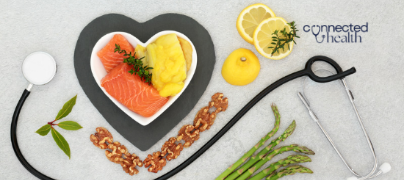
Looking to improve your cholesterol? The foods you eat can make a difference, and heart-healthy eating doesn't have to be boring! Discover 10 foods that can help support better cholesterol and cardiovascular health, plus delicious, easy-to-make recipes from Connected Health dietitian Rita de Freitas, RDN, to help you incorporate them into your everyday meals.
10 Foods That Can Help Lower Your Cholesterol (Plus Delicious Recipes to Try!)
Simple, heart-healthy food choices and easy recipes from Connected Health dietitian Rita de Freitas, RDN.
When it comes to managing cholesterol, what you put on your plate can make a difference. Supporting your heart health doesn't have to mean giving up your favorite foods or completely changing the way you eat. Many everyday foods contain nutrients that can help improve cholesterol levels, support healthy blood vessels, and reduce your risk of heart disease.
At Connected Health, we believe that small, sustainable changes can make a big impact on your long-term health. That's why we've rounded up 10 foods worth adding to your grocery list, along with delicious recipes from our Registered Dietitian Nutritionist, Rita de Freitas, RDN, to help you put these recommendations into practice.
First, Why Does Cholesterol Matter?
Cholesterol is a waxy, fat-like substance that your body needs to build healthy cells and produce hormones. However, too much of certain types of cholesterol can increase your risk of heart disease and stroke.
You've probably heard of two main types:
LDL (low-density lipoprotein): Often called "bad" cholesterol because elevated levels can contribute to plaque buildup in your arteries.
HDL (high-density lipoprotein): Often called "good" cholesterol because it helps transport cholesterol back to the liver for removal.
Your triglyceride levels are also an important part of understanding your cardiovascular health.
While genetics, age, and other health factors can influence cholesterol, nutrition is one area where you can make meaningful changes. Foods rich in soluble fiber, unsaturated fats, and other beneficial nutrients can help improve your overall cholesterol profile.
10 Foods to Add to Your Diet to Help You Lower Cholesterol
1. Oats: Start Your Morning with Heart-Healthy Fiber
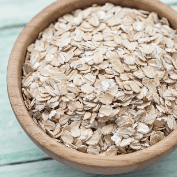
Oats are one of the most well-studied foods for lowering LDL cholesterol. They contain a type of soluble fiber called beta-glucan, which helps reduce cholesterol absorption in the digestive tract.
They're also affordable, versatile, and easy to incorporate into your morning routine.
Prepare this breakfast the night before for an easy grab-and-go option. It's a great way to start your day with fiber, and the addition of flaxseed and chia seeds provides even more nutritional benefits.
2. Salmon: A Great Source of Omega-3 Fatty Acids
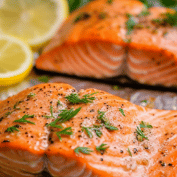
Fatty fish like salmon are rich in omega-3 fatty acids, which are particularly beneficial for helping lower triglycerides and supporting cardiovascular health.
While omega-3s don't directly lower LDL cholesterol, replacing foods high in saturated fat with fish can be a heart-healthy choice.
The American Heart Association recommends eating fish, particularly fatty fish, at least twice per week.
This flavorful salmon dish pairs beautifully with roasted vegetables or a side of whole grains for a satisfying, heart-conscious dinner.
3. Black Beans: Small but Mighty for Cholesterol
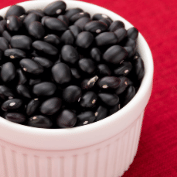
Black beans are packed with soluble fiber, plant-based protein, and important nutrients.
Their fiber content can help lower LDL cholesterol, while their plant-based protein makes them an excellent alternative to some higher-saturated-fat meat options.
They're also incredibly versatile. Add them to soups, salads, tacos, or even burgers!
Looking for an easy meatless dinner? These black bean burgers are a delicious way to enjoy more fiber and plant-based protein without sacrificing flavor.
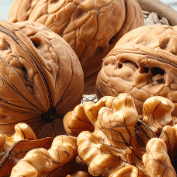
4. Walnuts: A Heart-Healthy Snack
Walnuts contain unsaturated fats, fiber, and plant-based omega-3 fatty acids that support cardiovascular health.
Research suggests that regularly eating nuts, including walnuts, can help improve LDL cholesterol levels, especially when they replace snacks or ingredients high in saturated fat.
A small handful makes a satisfying snack, but walnuts are also delicious in oatmeal, salads, and homemade baked goods.
Enjoy a slice with breakfast or as an afternoon snack. Walnuts add texture and beneficial fats, though portion sizes and the other ingredients still matter when managing cholesterol.
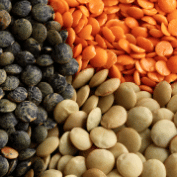
5. Lentils: A Fiber-Rich Pantry Staple
Lentils are another excellent source of soluble fiber and plant-based protein.
Including lentils regularly in your meals may help lower LDL cholesterol while also supporting digestive health and helping you feel satisfied after eating.
They're inexpensive, easy to store, and work wonderfully in soups, stews, salads, and side dishes.
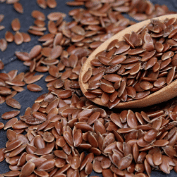
A warm, comforting breakfast that makes it easy to incorporate nutrient-dense seeds into your morning routine.
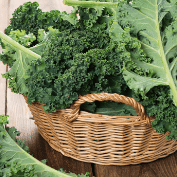
7. Kale: A Leafy Green Packed with Heart-Healthy Nutrients
Dark leafy greens like kale are packed with fiber, vitamins, minerals, and antioxidants that support overall cardiovascular health.
While kale isn't a cholesterol-lowering miracle food on its own, incorporating more leafy greens into your diet is an important part of a heart-healthy eating pattern.
Kale can be enjoyed raw, sautéed, roasted, or blended into soups and smoothies.
This salad brings together leafy greens, fiber-rich chickpeas, and a flavorful tahini dressing. It's a great example of how heart-healthy eating can be anything but boring!
8. Tuna, Tomatoes & Avocado: A Heart-Healthy Combination
Sometimes it's not just one ingredient, but how several nutritious foods work together in a meal.
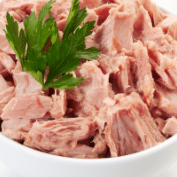
Tuna provides lean protein and, depending on the variety, beneficial omega-3 fatty acids. Tomatoes contain lycopene, an antioxidant associated with cardiovascular health. Avocados provide fiber and monounsaturated fats, which can help improve LDL cholesterol when used in place of saturated fats.
Together, they create a nutrient-rich meal that's both filling and refreshing.
This is a wonderful lunch option when you're looking for something satisfying without feeling overly heavy. Pair it with whole-grain crackers or a side salad.
9. Potatoes: Yes, They Can Be Part of a Heart-Healthy Diet!
Potatoes sometimes get a bad reputation, but they can absolutely fit into a balanced, heart-healthy eating plan.
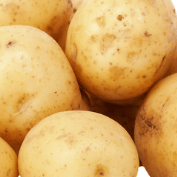
Potatoes provide potassium, which helps support healthy blood pressure, and fiber, particularly when you eat the skin.
Although potatoes aren't a major LDL-lowering food on their own, the way you prepare them makes a difference.
Rather than relying on deep-fried potatoes or heavy butter and cream-based toppings, try roasting them with olive oil, garlic, and herbs.
This family-friendly meal is a great reminder that healthy eating doesn't have to be complicated. Choose skinless chicken and use modest amounts of unsaturated oil to keep the meal heart-conscious.
10. Dark Chocolate: A Little Something Sweet
Here's some good news for chocolate lovers!
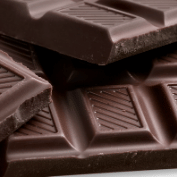
Dark chocolate contains cocoa flavanols, plant compounds that may support blood vessel function and cardiovascular health.
While dark chocolate hasn't been consistently shown to lower LDL cholesterol, it can be enjoyed in moderation as part of an overall heart-healthy diet.
Look for dark chocolate with a higher cocoa percentage, and keep an eye on added sugar and saturated fat.
This creative dessert incorporates avocado, adding unsaturated fats and a creamy texture. It's a delicious way to enjoy something sweet while incorporating a nutritious ingredient.
Small Changes Can Make a Big Difference
If you're looking to improve your cholesterol, you don't need to overhaul your entire diet overnight.
Start with a few simple changes:
Swap your breakfast: Replace a sugary breakfast pastry with oatmeal topped with berries and ground flaxseed.
Try one meatless meal each week: Black bean burgers or lentil-based dishes are great places to start.
Rethink your snacks: Choose a small handful of walnuts instead of chips or other highly processed snacks.
Add more vegetables: Include leafy greens or colorful vegetables with lunch and dinner.
Choose healthier fats: Cook with olive oil instead of butter more often, and incorporate foods like avocado, nuts, and fatty fish.
Remember, consistency matters more than perfection. It's your overall eating pattern, not one individual food, that makes the biggest difference over time.
A Proactive Approach to Cholesterol at Connected Health
High cholesterol often doesn't cause noticeable symptoms, which is why routine blood work and preventative care are so important.
At Connected Health, our approach goes beyond simply checking your cholesterol numbers. Our medical team looks at your overall cardiovascular risk, including your health history, family history, lifestyle, blood pressure, and laboratory results, to help you understand what those numbers mean for your long-term health.
Nutrition is an important part of that conversation.
Our Registered Dietitian Nutritionist, Rita de Freitas, RDN, helps patients develop practical, personalized nutrition strategies that fit their preferences, routines, and health goals.
And while dietary changes can make a meaningful difference, some patients may also need medication to manage their cholesterol effectively.
The goal isn't to eat perfectly. It's to make informed, sustainable choices that support your health for years to come.
If you have questions about your cholesterol levels or would like guidance on improving your heart health through nutrition, speak with your Connected Health medical team. We're here to help you take a proactive approach to your health, one step at a time.